

Redefining Recovery.
At Restored Sober Living, we provide structured, sober housing that supports accountability, routine, and stability in early recovery. Our Orange County Sober Living homes are designed to help residents transition from treatment into independent living while maintaining consistent support.
We work alongside treatment providers and families to ensure residents stay connected to appropriate care, while we focus on structure, responsibility, and a safe living environment that supports long-term recovery.

Recovery doesn’t happen in chaos. Clear expectations, routines, and house standards create stability when motivation is inconsistent. Structure is what carries people when willpower fades.

Sobriety is reinforced through responsibility—to the house, to peers, and to oneself. Consistent check-ins, expectations, and follow-through keep residents engaged and honest.

A safe, sober environment allows residents to rebuild daily life without constant disruption. Stability means fewer crises, better decision-making, and a real chance at long-term recovery.

Your Path. Our Care.
We’re committed to providing sober living homes that support each individual’s recovery journey. From the care we put into our homes to the standards we uphold, everything is designed to help residents move forward on their path with clarity and intention.
Our approach is rooted in care, accountability, and consistency. When residents are supported while being held to meaningful expectations, recovery doesn’t just begin—it lasts.
Designed For Living.
We create sober living homes that are built for real life—not just early recovery. From the layout of our homes to the structure we maintain, every detail is intentional, supporting residents as they rebuild routines, responsibility, and momentum.
Our environments emphasize accountability, respect, and consistency. When a home is truly designed for living, recovery becomes something residents can sustain long after they move on.

Orange County Partial Hospitalization & Intensive Outpatient Programs
The Right Level of Support.
Sometimes sober living alone isn’t enough. If you or a loved one is stepping down from treatment, struggling to stay stable, or needs continued clinical care while rebuilding daily life, combining sober living with PHP or IOP can provide the right level of support.
This approach offers a structured home environment alongside professional treatment during the day—creating accountability, stability, and a clear path forward for lasting recovery.


-
Recovery doesn’t stop when treatment ends for the day. Combining PHP or IOP with sober living creates consistency between clinical care and daily life. Treatment provides therapy, structure, and accountability during the day, while sober living reinforces healthy routines, responsibility, and support at home. Together, they reduce risk, improve follow-through, and help recovery stick.
-
Partial Hospitalization Programs (PHP) offer a high level of clinical care during the day while allowing individuals to live in a supportive home environment. PHP typically includes several hours of therapy, group sessions, and clinical oversight multiple days per week. It’s often recommended for those stepping down from residential treatment or needing intensive support without full-time inpatient care
-
Intensive Outpatient Programs (IOP) provide structured therapy several days per week with fewer hours than PHP. IOP allows individuals to continue building independence while staying connected to professional support. It’s well suited for those who need ongoing care but are stable enough to manage more responsibility in daily life.

We Accept All Major Insurance Providers:
Our Orange County Sober Living Homes.
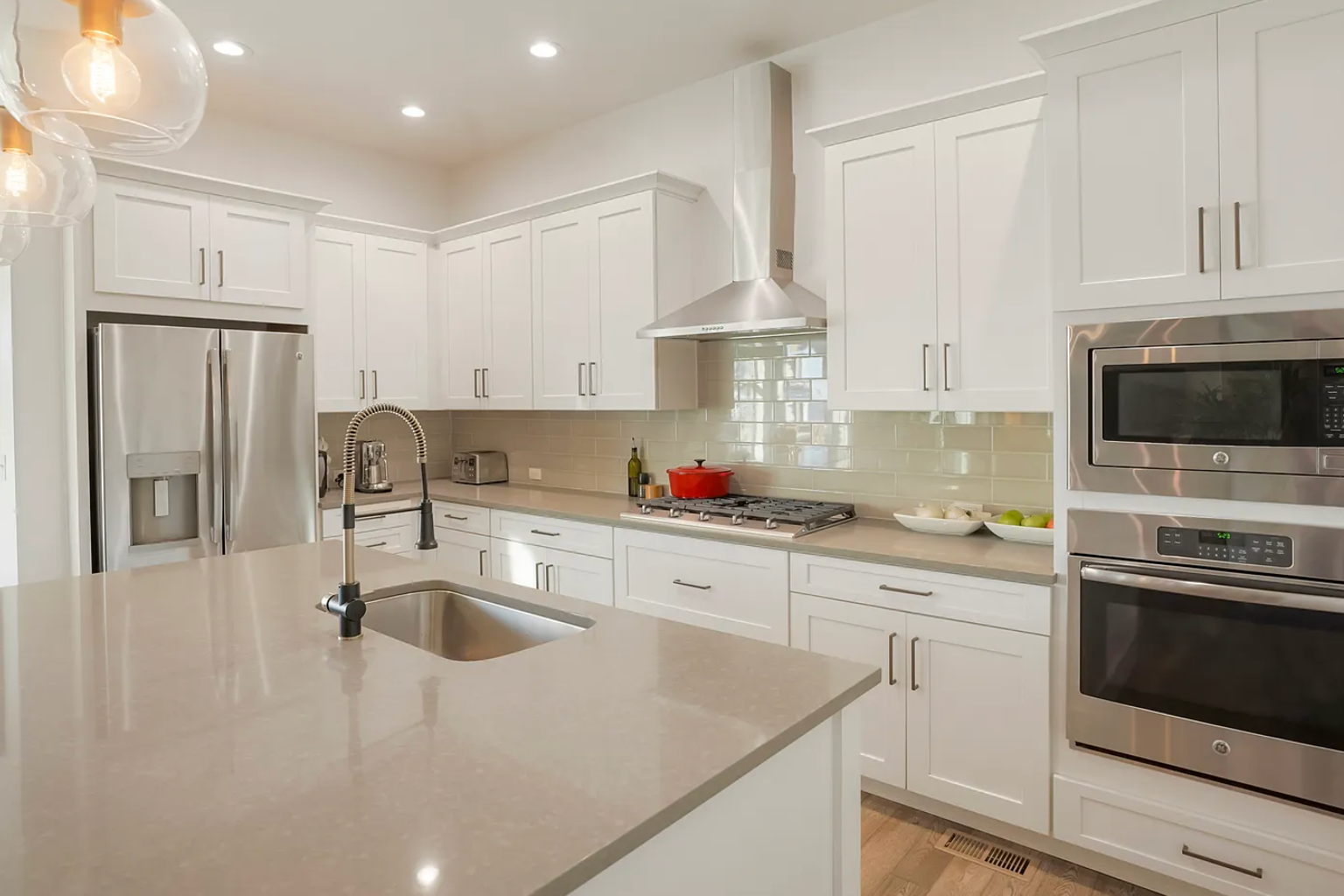
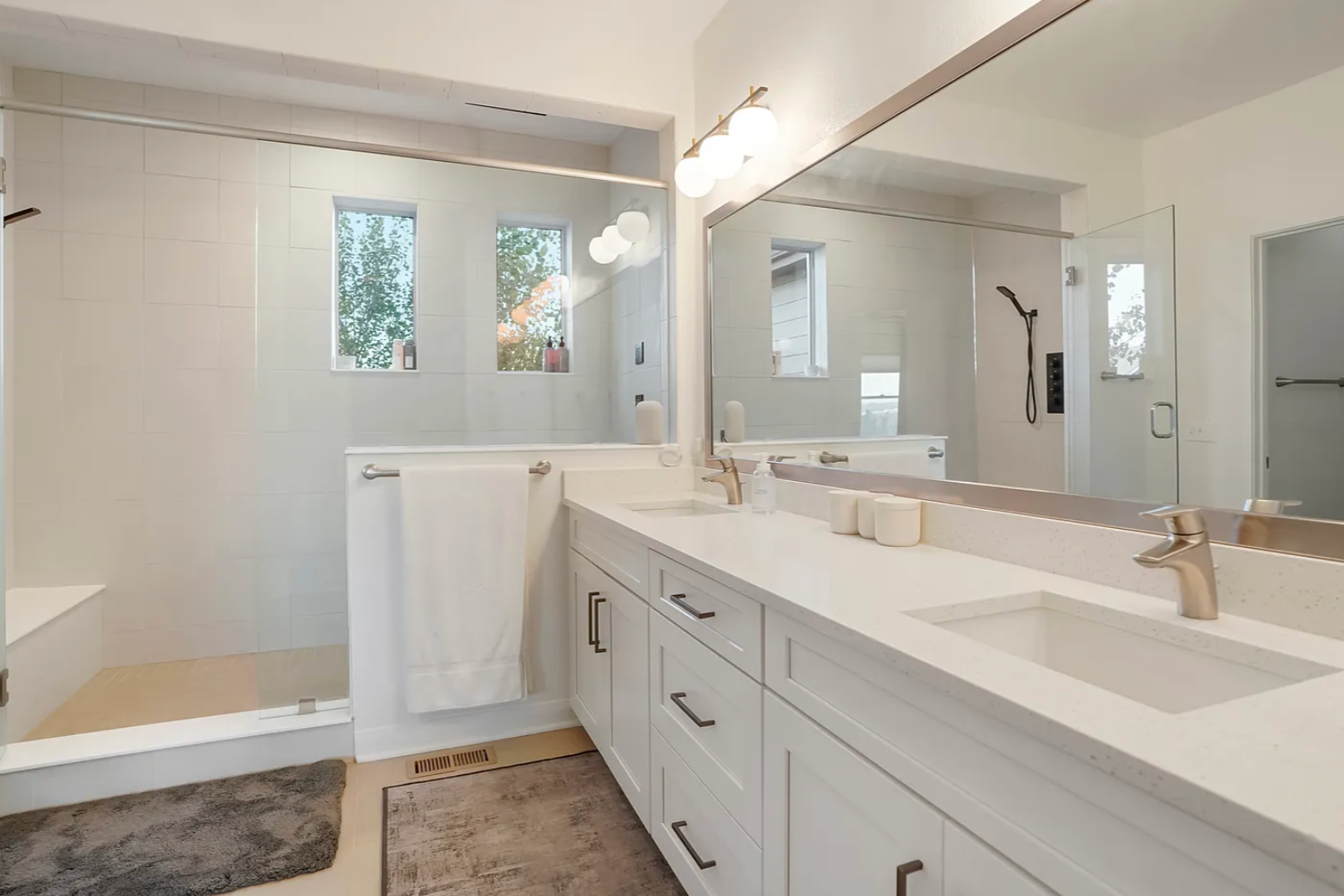
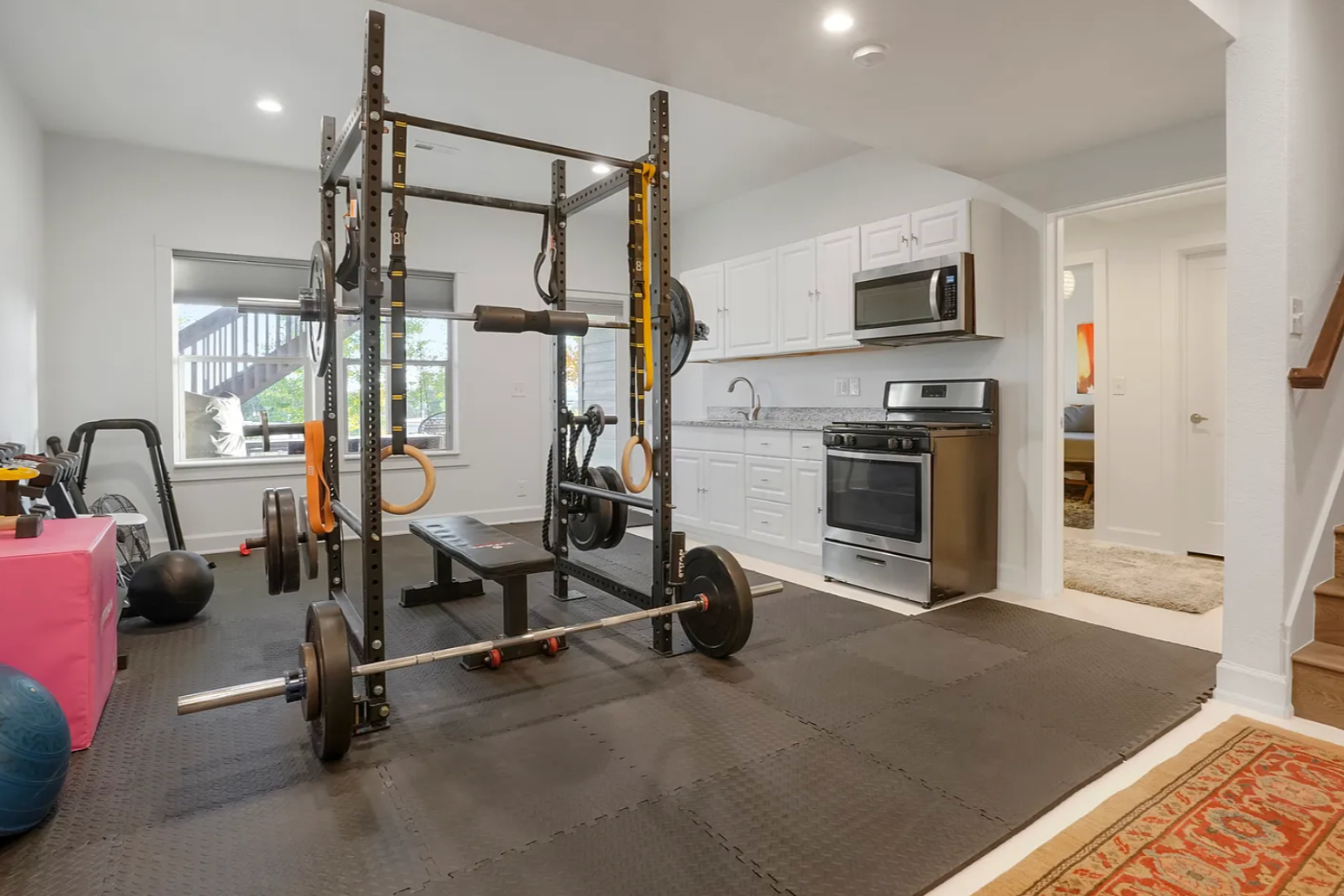
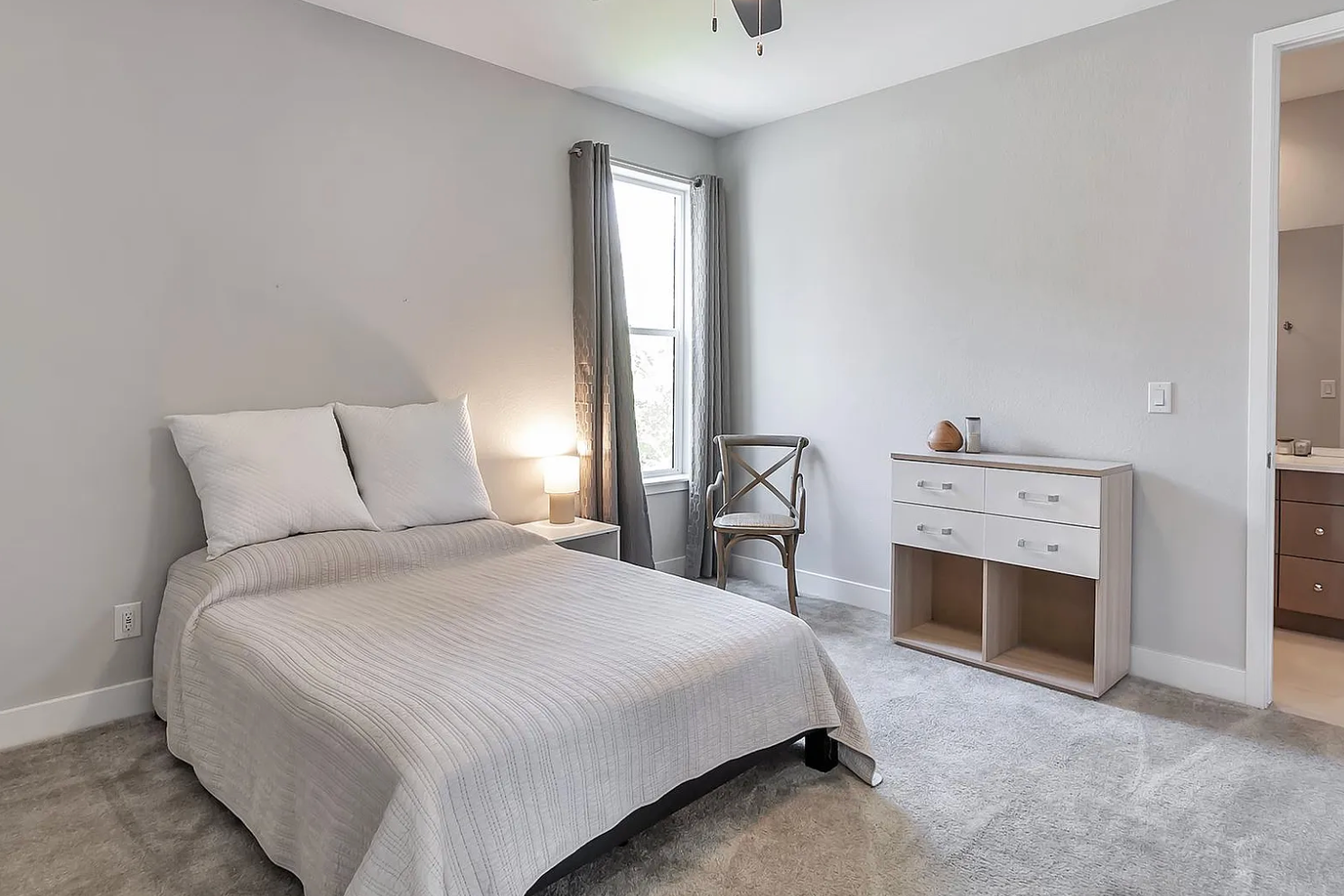
Our sober living homes are thoughtfully located throughout Orange County, making it easier to stay connected to work, family, and ongoing care. With homes in Huntington Beach, Fountain Valley, Costa Mesa, Irvine, Westminster, and Newport Beach, residents can continue building recovery while remaining rooted in familiar communities.
Each location offers the same consistent standards, structure, and supportive environment, so no matter the home, residents receive dependable care in a setting designed to support long term progress.


Recovery Starts Here.
If you’re unsure where to start, we’re here to help. We’ll take the time to understand your situation and guide you toward the right level of support. Everything begins with a confidential conversation.
CALL NOW 📞
TEXT NOW 💬
Frequently Asked Questions
Still have questions? Take a look at the FAQ or reach out anytime.
-
Orange County sober living is designed for individuals stepping down from detox or residential treatment, those enrolled in PHP or IOP, or anyone who needs additional structure after relapse. It’s best suited for people who want independence without removing accountability.
-
Rehab and treatment focus on clinical care such as therapy, medical oversight, and psychiatric support. Orange County sober living focuses on housing, structure, and daily accountability. It’s not treatment—it’s the environment that allows treatment progress to stick in real life.
-
Yes. Many residents live in sober living while attending a Partial Hospitalization Program (PHP). The sober living home provides structure, curfews, and accountability, while PHP delivers intensive therapy and clinical support during the day.
-
In Orange County sober living with PHP or IOP, residents live in a structured home and attend treatment during the day or evenings. The sober living provides accountability, drug testing, curfews, and routine, while PHP or IOP provides therapy, group work, and relapse prevention.
-
Most residents stay in Orange County sober living between three and six months, though length of stay depends on stability, employment, and progress in recovery. A minimum of 90 days is often recommended to build strong routines and consistency.
-
Yes. Orange County sober living can be appropriate after relapse if additional structure and accountability are needed. In some cases, a higher level of care such as detox or residential treatment may be recommended first before returning to sober living.
-
Not always. Some residents are actively enrolled in PHP or IOP, while others focus on work, school, and recovery meetings. Orange County sober living is flexible, but active recovery involvement and accountability are always required.
-
The main rules of Orange County sober living are designed to create structure, accountability, and a safe recovery environment. While specifics vary by home, most sober living programs require residents to remain substance-free, follow curfews, attend recovery meetings or outpatient treatment, submit to drug and alcohol testing, and participate in house responsibilities. Employment, school, or active treatment participation is typically expected. These rules aren’t about control—they exist to reduce relapse risk, promote consistency, and help residents build responsible, independent routines that support long-term recovery.
-
Accountability in Orange County sober living is enforced through clear house rules, consistent oversight, and immediate response to violations. This typically includes scheduled and random drug and alcohol testing, curfews, mandatory check-ins, and active involvement in recovery activities such as meetings, PHP, or IOP. House managers and program staff monitor compliance daily and address issues as they arise. If sobriety is broken, action is taken right away to protect the safety of the home—often involving removal from the residence and referral to a higher level of care. The goal isn’t punishment; it’s maintaining a stable, recovery-focused environment where sobriety is non-negotiable and progress is protected.
-
We are not a treatment center and do not provide PHP or IOP services directly. However, as part of our Orange County sober living program, we actively assist residents with placement into appropriate PHP and IOP programs through our established relationships with trusted local treatment providers. Our team helps coordinate admissions, scheduling, and continuity of care so residents can transition smoothly into outpatient treatment while living in a structured, sober environment. This hands-on placement support allows individuals to focus on recovery without having to navigate treatment options on their own.